
ESA termination pay calculation
Understanding termination pay is an important issue for both employers and employees, which leads to the question, “What is ESA termination pay calculation?” The Employment Standards Act Ontario (ESA) establishes clear rules regarding termination pay to ensure that employees are fairly compensated when their employment ends without cause. Termination pay is designed to provide financial support to employees while they search for new employment and is calculated based on the employee’s length of service and regular wages. Knowing how termination pay is calculated under the ESA is essential for compliance and protecting workers’ rights.
The Employment Standards Act Ontario sets out minimum requirements for termination pay. Employees who have been continuously employed for three months or more are generally entitled to notice of termination or termination pay in lieu of notice if their employment is terminated without cause. The amount of termination pay is based on the employee’s length of service. Specifically, the ESA provides one week of termination pay for each year of completed service, up to a maximum of eight weeks. Employees with less than one year of service are entitled to a proportionate amount based on the number of months worked.
Employees often ask, “What is ESA termination pay calculation?” and the process involves determining the employee’s regular wages. Regular wages include the employee’s base pay, and in some cases, may include regular bonuses or other forms of compensation that are consistently received. Once the average regular wages are calculated, they are multiplied by the number of weeks of termination pay the employee is entitled to under the Employment Standards Act Ontario. For example, if an employee has worked for five years, they would typically receive five weeks of termination pay based on their average weekly earnings.
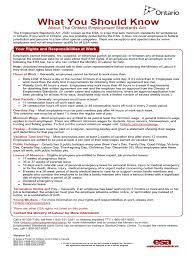
What is ESA termination pay calculation?
It is important to note that ESA termination pay calculation differs from severance pay, which may apply to employees of larger companies or those with longer service. While termination pay is based on a maximum of eight weeks, severance pay can provide additional compensation based on company size and total years of service. Both forms of compensation are separate under the Employment Standards Act Ontario, and employees may be entitled to one or both depending on their situation. Employers must ensure that they correctly calculate termination pay to avoid penalties and potential legal disputes.
In addition to calculating termination pay, employers must also consider deductions and other amounts owed under the Hours reduced at work legal rights. Termination pay is typically subject to statutory deductions, such as income tax and employment insurance contributions. Employers are required to provide a clear breakdown of how termination pay was calculated, ensuring transparency and compliance with ESA standards. Employees who believe their termination pay has been miscalculated have the right to file a complaint with the Ministry of Labour, Training and Skills Development to have the matter investigated.
In conclusion, understanding “What is ESA termination pay calculation?” is essential for ensuring fair treatment of employees in Ontario. The Employment Standards Act Ontario provides a structured method for determining termination pay based on length of service and regular wages. Accurate calculation protects employees’ rights while ensuring that employers comply with legal obligations. By following the ESA guidelines, both parties can navigate the termination process with clarity and fairness, avoiding disputes and promoting lawful employment practices.